

VPN vulnerabilities and risks: the TunnelCrack attack
Read the original in Spanish →
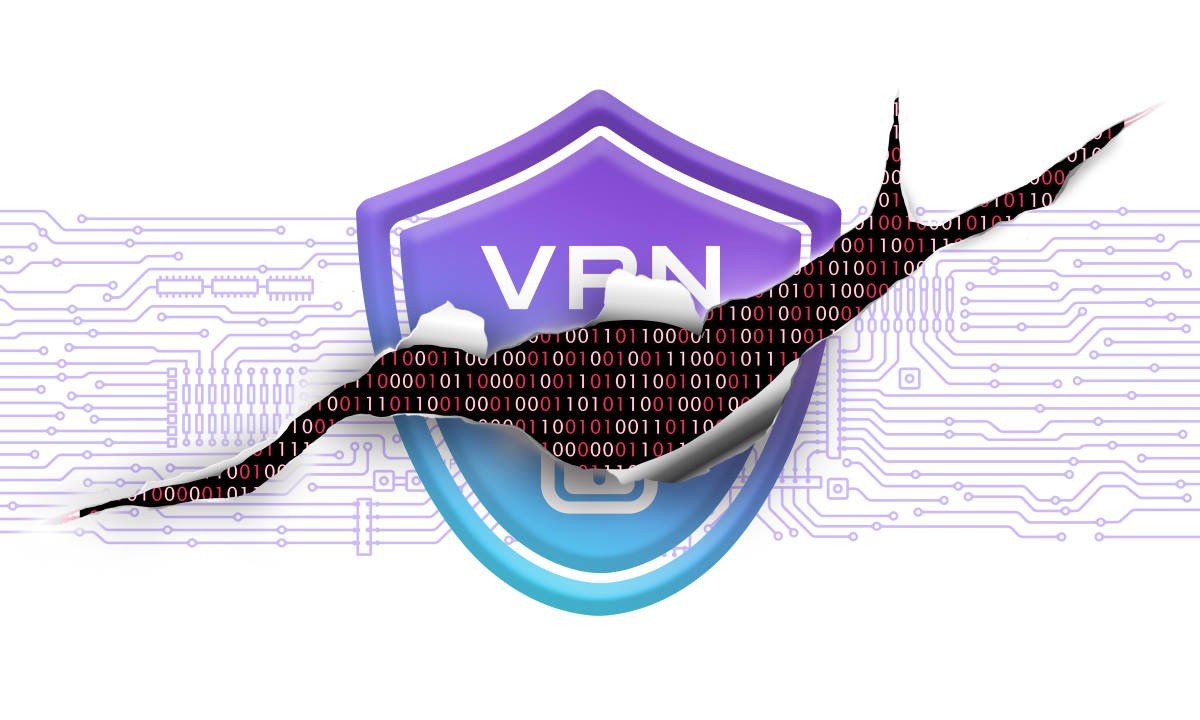
In a paper accepted by USENIX Association, academics from New York University and KU Leuven have detailed vulnerabilities known collectively as TunnelCrack, which have the potential to compromise the security of virtual private networks (VPNs).
What is TunnelCrack?
TunnelCrack refers to a pair of techniques that, when executed correctly, can expose network traffic outside of encrypted VPNs. These vulnerabilities were discovered by the research team after testing more than 60 VPN clients. They found that while Android VPN apps appeared to be more secure, almost all iOS VPN apps were considered vulnerable.
LocalNet Attack
One of the techniques used in TunnelCrack is the LocalNet attack. To execute this attack, a Wi-Fi or Ethernet network is established, designed to trick victims into connecting to it. Once connected, the attacker assigns the victim a public IP address and subnet. By exploiting the fact that most VPNs allow direct access to the local network while in use, the attacker can redirect the victim’s connection to a destination IP address outside the VPN tunnel, allowing him to observe the victim’s network traffic.
ServerIP Attack
The second technique, known as the ServerIP attack, is more complex. It takes advantage of the fact that many VPNs do not encrypt traffic to the VPN server’s IP address. By spoofing DNS responses and manipulating routing rules, the attacker can redirect specific traffic out of the VPN tunnel, exposing it to potential interception.
What can be done?
If you use VPNs for privacy and security, you can take steps to protect against these vulnerabilities. Here are some actions to consider:
- Update VPN Apps: Check for updates or notices from VPN app providers. Many vendors have already begun to address these vulnerabilities.
- Configure VPN Settings: Check if the VPN client can be configured to NOT tunnel local network connections through the VPN tunnel.
- Enable security features – If available, enable security features in the VPN application that help mitigate these risks. Some apps offer options to block internet access when the VPN connection goes down.
Finally, note that, although these vulnerabilities are concerning, secure connections that are encrypted before entering the VPN tunnel, such as HTTPS or SSH connections, should remain protected and encrypted even if they are redirected using these techniques.
For more details on the TunnelCrack vulnerabilities and how to manually test a VPN, you can visit the researchers’ GitHub repository.